
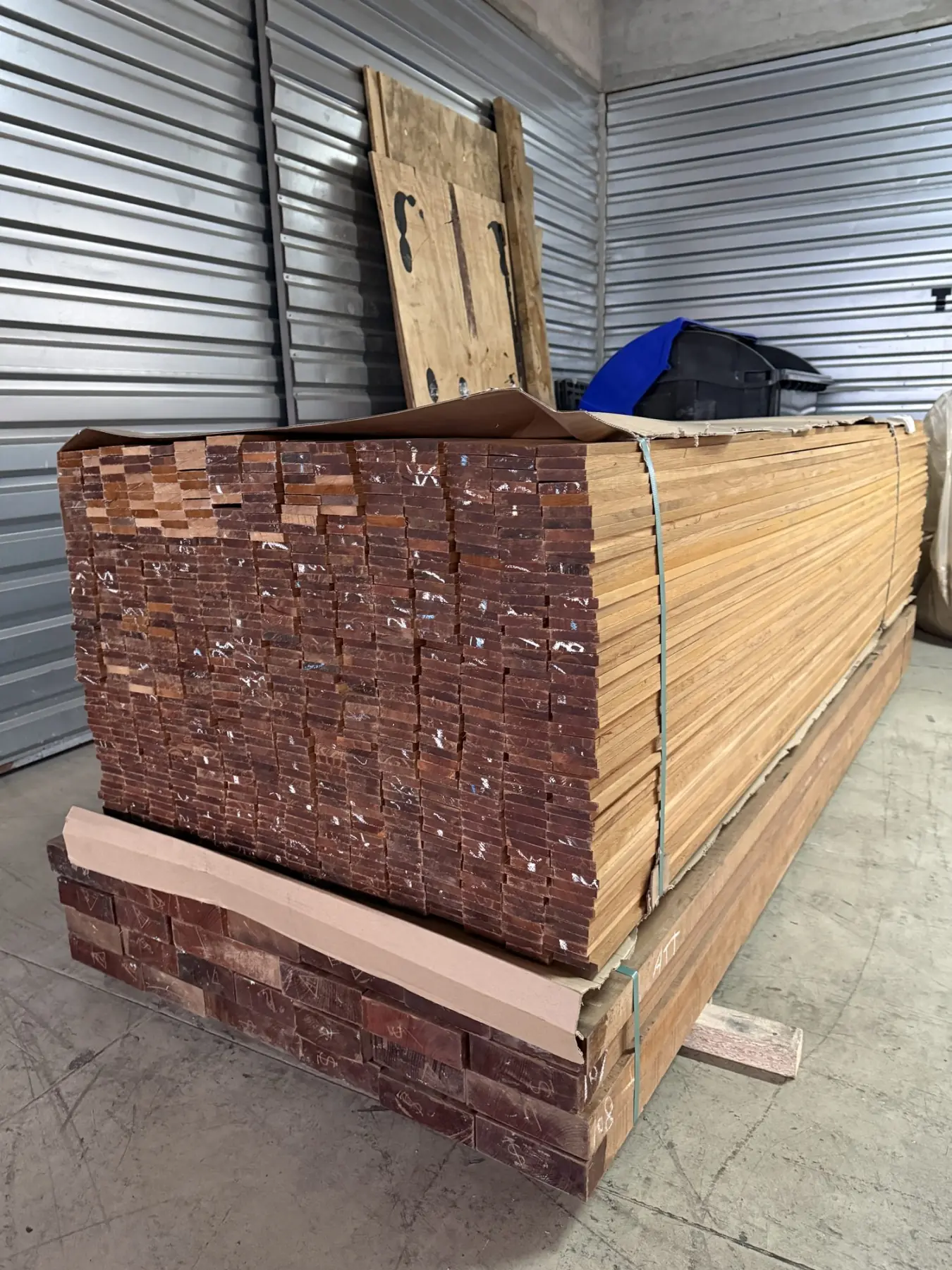
Marine teak materials
01
Choosing between teak and synthetic
The first material decision, and the one most owners reach before any other. Real teak costs more, can be renewed by sanding, and runs cooler underfoot. Synthetic costs less, needs almost nothing done to it, and cannot be brought back once it is worn.
Neither is better in the abstract. Which one is right depends on how the boat is used, how long you will own it, and whether anyone will maintain the deck at all.
We make real teak, which makes us the wrong people to ask for a neutral opinion, so we have written the comparison with our bias declared, including the cases where we would tell you to buy synthetic. Read the full comparison.
02
Where our teak comes from
All the timber we use is FSC certified, and the chain of custody documentation comes with the order rather than on request.
Sourcing has become the part of this trade that changes fastest. Where teak comes from, how it was grown and what paperwork follows it now decide whether a deck can be specified at all on some vessels, and the answer a supplier gives to that question tells you a good deal about the rest of their work.
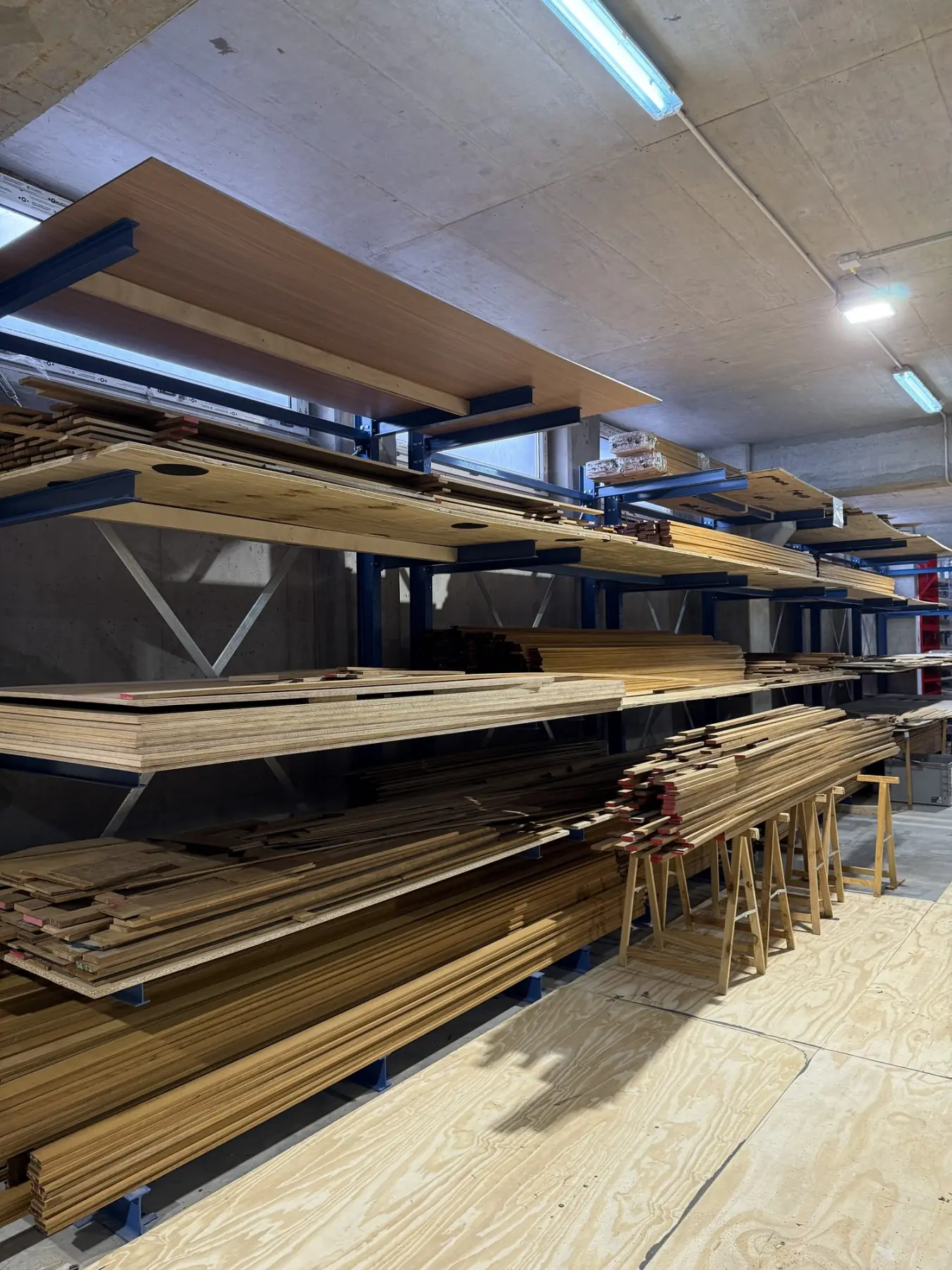
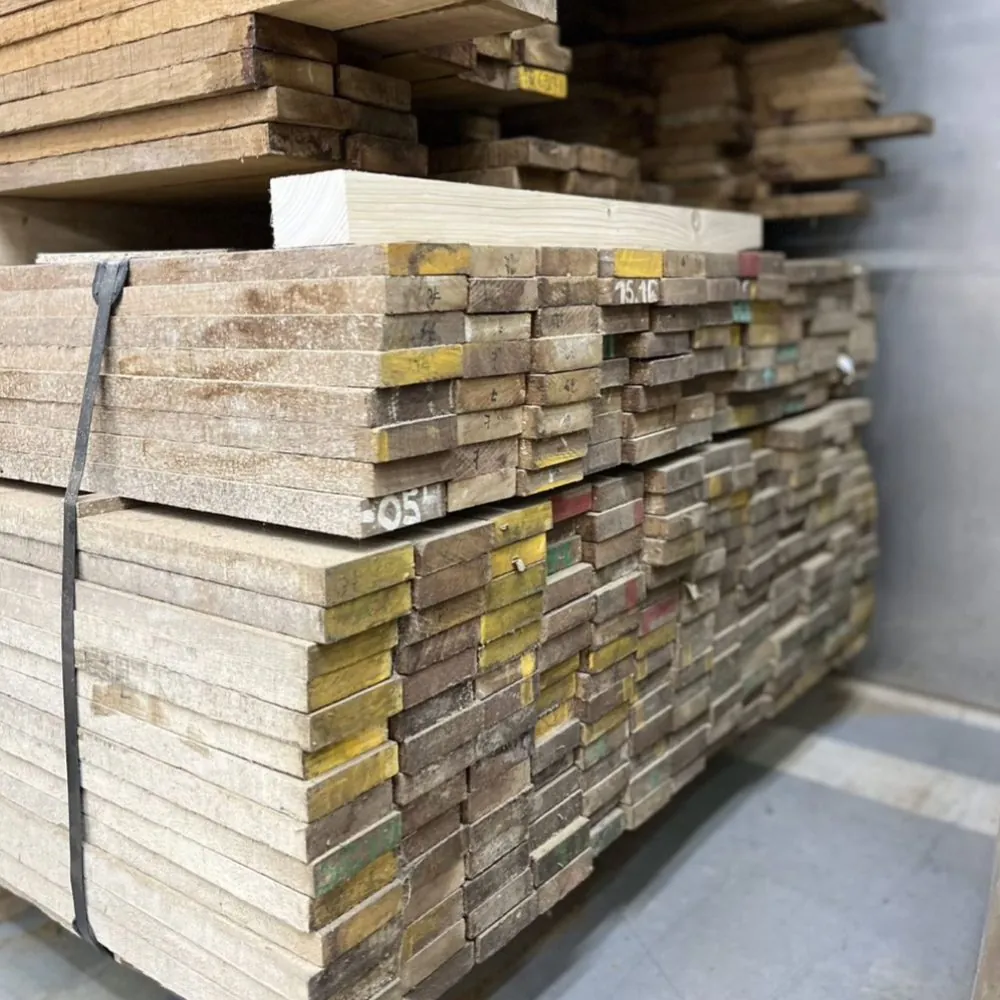
Grading matters as much as origin. We work in three quality grades (FEQ, QS and Superyacht), and what separates them is how clean the timber is: how even the colour, how straight and close the grain, how free of knots and marks. Those are worth asking about alongside the certificate.
We keep all three grades in stock, so a deck does not wait on a timber order.
03
Caulk and adhesives
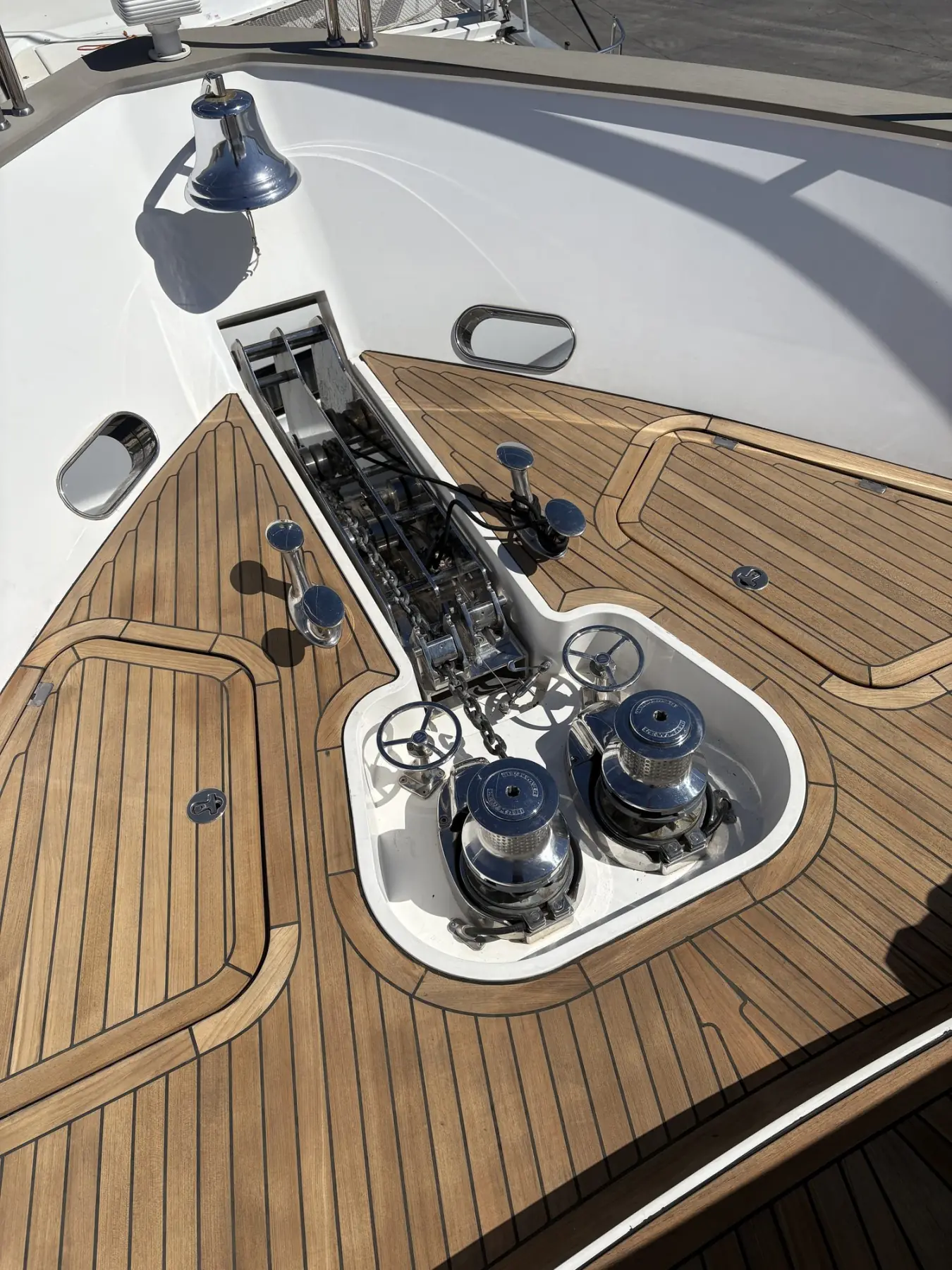
The seams and the adhesive bed do more to decide a deck’s life than the teak does, and they are the parts nobody asks about.
The seam is a flexible joint. It lets each plank move with temperature and moisture while keeping water on top of the deck, and it is also what fails first, every time, on every deck. We caulk with TDS or Zetamarine, in black, grey or white.
The adhesive is what holds a bonded deck down across its whole area instead of at points, which is why a bonded deck has no fastener holes to leak through. We bond with a two-part marine epoxy or an MS polymer, depending on how the deck is fitted and the conditions it will live in. Both seam and adhesive are specified per vessel and per substrate, and both are worth a question before anything is ordered.


ISO 9001 · SGS ISO 14001 · FSC C199993